
1. Introduction: Why Surveillance Systems Matter for Today’s Businesses
Security threats facing California businesses have evolved significantly over the past decade. From organized retail theft and workplace liability claims to vandalism and unauthorized access, today’s business owners must take a proactive approach to risk mitigation. This is where professionally designed commercial surveillance cameras play a critical role.
Modern video surveillance for business is no longer just about recording footage. It provides real-time visibility, operational insight, compliance documentation, and long-term asset protection. A properly designed commercial surveillance camera system can deter crime, reduce insurance exposure, and improve employee safety.
However, installing cameras alone is not enough. Proper surveillance camera installation, strategic planning, and ongoing system management are essential to ensure performance, legal compliance, and return on investment.
At BCS Consultants, we design integrated security and surveillance solutions tailored to California businesses seeking reliability, scalability, and regulatory confidence.
2. Types of Commercial Surveillance Cameras and Their Best Uses
Selecting the right equipment is foundational to building the best commercial video surveillance system for your facility. Different environments require different camera technologies.
IP Cameras (Internet Protocol)
IP cameras are the modern standard for commercial surveillance camera systems. They transmit digital video over a network, allowing:
- High-definition resolution (1080p to 4K)
- Remote access from mobile devices
- Scalable system expansion
- Integration with cloud storage
For most California businesses, IP-based commercial surveillance cameras offer the flexibility and image quality required for long-term security planning.
Dome Cameras
Dome cameras are commonly used indoors in retail stores, offices, and hospitality environments. Their discreet design reduces tampering while offering wide-angle coverage. They are ideal for:
- Reception areas
- Sales floors
- Hallways
- Customer service counters
Businesses looking for the best commercial surveillance cameras for indoor monitoring often select vandal-resistant dome units.
Bullet Cameras
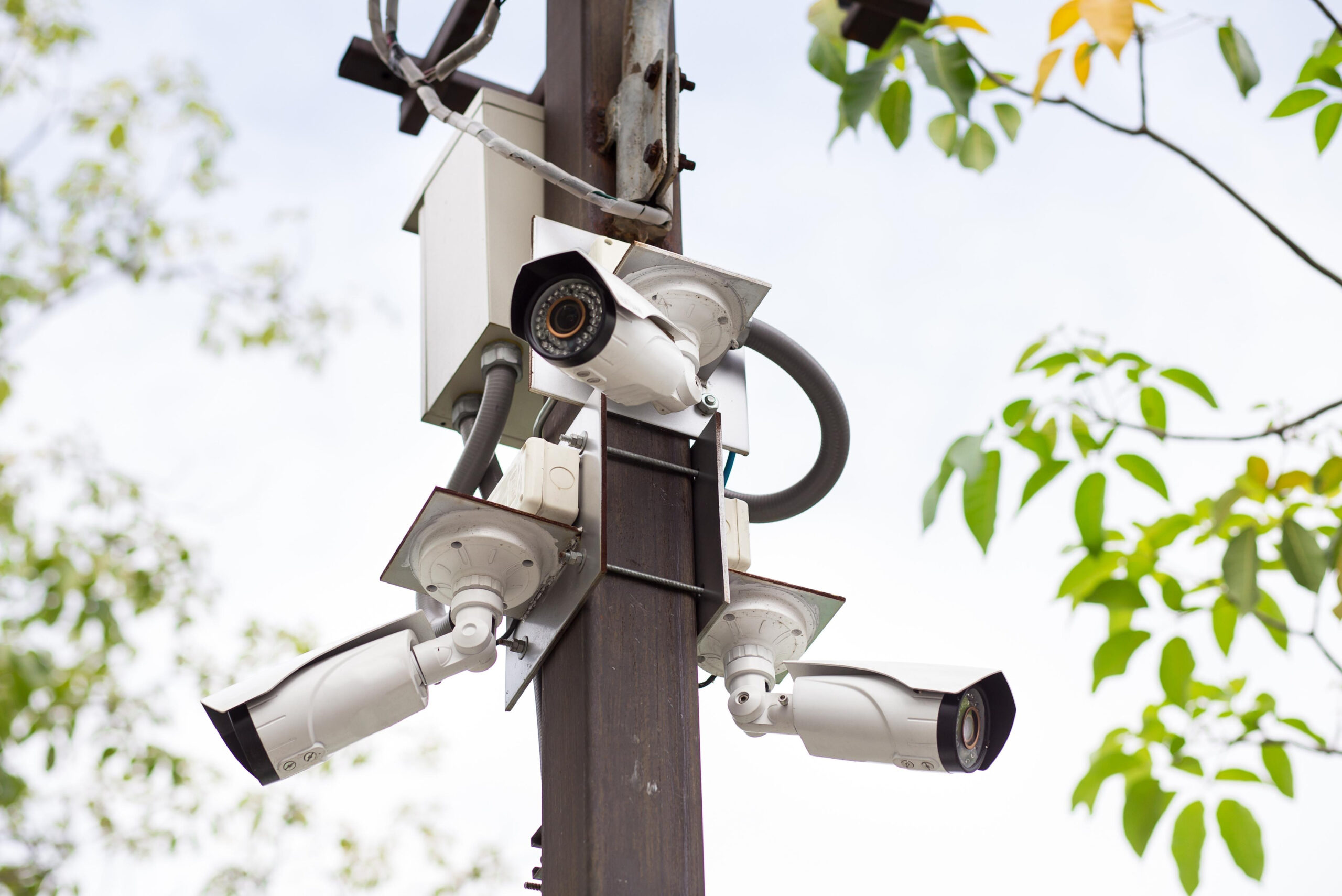
Bullet cameras are highly visible and serve as both monitoring devices and deterrents. Their extended range makes them suitable for:
- Parking lots
- Building perimeters
- Loading docks
- Outdoor entryways
When building an outdoor commercial surveillance camera system, bullet cameras are frequently used for long-distance monitoring.
PTZ Cameras (Pan-Tilt-Zoom)
PTZ cameras provide dynamic monitoring capabilities. Operators can remotely adjust the camera to track movement or zoom into specific areas. These are ideal for:
- Warehouses
- Industrial facilities
- Large campuses
- Distribution centers
They are commonly integrated into the best commercial video surveillance system designs for large properties.
Thermal Cameras
Thermal cameras detect heat signatures and operate effectively in low-visibility conditions. They are particularly useful in:
- Industrial environments
- High-security zones
- Critical infrastructure facilities
Key Features to Consider
When selecting commercial surveillance cameras, businesses should evaluate:
Resolution
- 1080p minimum
- 4K recommended for entrances and high-risk zones
Higher resolution enhances evidentiary value in video surveillance for business applications.
Field of View
A wider field of view reduces blind spots, but narrower lenses often provide greater detail for facial identification.
Storage Options
- NVR (Network Video Recorder)
- Cloud-based storage
- Hybrid systems
The right storage infrastructure supports scalable commercial surveillance camera systems.
Connectivity
- Power over Ethernet (PoE)
- Secure Wi-Fi (with encryption)
- VLAN network segmentation
Connectivity decisions impact both system reliability and cybersecurity.
3. Key Steps in Commercial Surveillance Camera Installation
Effective surveillance camera installation requires more than mounting hardware. It begins with strategic planning and ends with system validation.
Site Assessment and Risk Evaluation
Before installation, conduct a comprehensive evaluation:
- Identify high-value assets
- Analyze entry and exit points
- Map blind spots
- Assess lighting conditions
- Review historical incident data
Professional integrators like BCS Consultants conduct structured risk assessments to ensure commercial surveillance camera systems are positioned for maximum effectiveness.
Camera Placement Strategies
Strategic placement is critical for effective video surveillance for business.
Entry Points
Install high-resolution cameras at all primary and secondary entrances.
Blind Spots
Warehouses, shelving aisles, and stairwells often require additional coverage.
High-Traffic Areas
Reception areas, POS stations, and loading docks should be clearly monitored.
Cameras are typically installed 8–12 feet above ground to prevent tampering while maintaining optimal viewing angles.
Wiring, Network Setup, and Power Requirements
For wired systems:
- Use Cat6 cabling for IP cameras
- Deploy PoE switches for simplified power delivery
- Protect outdoor wiring with conduit
For wireless systems:
- Ensure encrypted Wi-Fi connectivity
- Provide sufficient bandwidth capacity
Network configuration should include:
- Static IP assignments
- Firewall segmentation
- VLAN isolation
Improper network configuration can compromise otherwise strong security and surveillance solutions.
Ensuring Compliance with Privacy and Security Regulations
California businesses must comply with privacy laws when installing commercial surveillance cameras.
Key compliance considerations:
- Avoid installing cameras in private areas
- Post visible surveillance signage
- Disable audio recording unless legally reviewed
- Encrypt stored footage
- Restrict administrative access
Compliance ensures your commercial surveillance camera system protects your business without exposing it to legal liability.
4. Best Practices for Managing and Maintaining Commercial Camera Systems
Installing the best commercial surveillance cameras is only the first step. Ongoing management ensures system longevity and reliability.
Remote Monitoring and System Health Checks
Modern video surveillance for business systems allows:
- Real-time remote viewing
- Mobile app access
- System health alerts
- Storage capacity monitoring
Routine checks ensure your commercial surveillance camera systems remain operational 24/7.
Firmware Updates and Cybersecurity Protocols
Cybersecurity is critical for network-connected commercial surveillance cameras.
Best practices include:
- Changing default credentials
- Enabling two-factor authentication
- Updating firmware regularly
- Restricting administrative permissions
- Monitoring access logs
These safeguards strengthen your overall security and surveillance solutions.
Routine Inspections and Performance Optimization
Monthly maintenance should include:
- Cleaning camera lenses
- Inspecting housings
- Testing playback functionality
- Verifying motion detection zones
Quarterly audits should evaluate storage performance and camera alignment.
Handling Storage and Retention Policies
Storage planning is essential for compliant commercial surveillance camera systems.
Consider:
- Retention timelines (30–90 days typical)
- Secure deletion policies
- RAID redundancy for NVR systems
- Cloud backup for disaster recovery
Well-managed storage supports evidence preservation and operational transparency.
5. Choosing a Professional Surveillance Installation Provider
While small systems may allow basic DIY installation, most California businesses benefit from professional expertise.
Professional surveillance camera installation ensures:
- Proper coverage design
- Optimized camera angles
- Secure network configuration
- Compliance with California privacy regulations
- Scalable system architecture
A professionally installed commercial surveillance camera system reduces blind spots, cybersecurity vulnerabilities, and long-term maintenance issues.
At BCS Consultants, we provide end-to-end security and surveillance solutions — from consultation and risk assessment to installation, integration, and ongoing support. Our team ensures your commercial surveillance cameras are designed for reliability, compliance, and long-term return on investment.
Final Thoughts
Investing in surveillance cameras is not just about hardware — it’s about designing a secure, scalable system that protects your assets and supports business continuity.
With proper planning, expert surveillance camera installation, and structured maintenance, your commercial surveillance camera systems become a strategic asset that enhances safety, reduces liability, and strengthens operational oversight.
For California businesses seeking dependable video surveillance for business, BCS Consultants delivers customized, future-ready security and surveillance solutions built for real-world performance.
Frequently Asked Questions
1. How many commercial surveillance cameras does a business need?
The number depends on your facility size, layout, and risk areas. A small retail store may require 6–10 cameras, while warehouses or industrial sites may need 20+ for full coverage.
2. What is the difference between NVR and DVR systems?
NVR systems work with IP cameras and provide higher image quality and scalability. DVR systems are typically used with analog cameras and offer lower resolution.
3. Are commercial surveillance cameras legal in California businesses?
Yes, but businesses must follow privacy laws. Cameras cannot be placed in private areas, and audio recording may require consent.
4. How long should businesses store surveillance footage?
Most businesses retain footage for 30–90 days, though certain industries or incidents may require longer retention periods.
5. What features should the best commercial video surveillance system include?
High resolution (1080p or 4K), remote access, motion detection, encrypted storage, and cybersecurity protections are essential features.